Shot put training PDFs compile periodized plans, technique drills, strength protocols, and recovery strategies. Coaches use these guides to structure macrocycles, microcycles, and skill sessions, ensuring athletes peak for competitions while maintaining injury prevention. Download PDFs for free. All rights.!
Key Components of an Effective Shot Put Training Regimen
Shot put PDFs condense coaching science. Regimens follow a 3–5 week macrocycle: foundation, power, technique, peaking. Microcycles detail volume, intensity, and recovery for tailored load progression.
Strength Foundations build the base. Heavy squats, deadlifts, front squats (3–5 sets of 3–5 reps at 80–90% 1RM) develop lower‑body force.
Explosive Power follows strength. Olympic lifts and medicine‑ball throws (3–4 sets of 6–8 reps) translate strength into rapid force. Plyometrics enhance power.
Technical Refinement focuses on footwork and release. PDF sheets show glide and rotational diagrams, stance, pivot, release angles.
Recovery and Mobility are integral. Each microcycle includes a recovery day with foam‑rolling, dynamic stretching, and mobility circuits.
Nutrition supports training. PDF lists macro‑nutrient ratios, hydration charts, and supplements like creatine monohydrate and omega‑3.
Combining strength, power, technique, recovery, and nutrition into a periodized PDF program helps coaches guide athletes to peak performance.
These PDFs are easy to print and share, allowing athletes to monitor progress and adjust training.
Coaches update PDFs annually to reflect new research, keeping training current.
PDF programs often include microcycle tables, showing sets, reps, and rest intervals. They also feature progress‑tracking charts, letting athletes log performance metrics and adjust training variables in real time. Coaches can download or share PDFs on mobile devices for consistent access during travel.
Periodization and Program Structure in PDF Format
Shot put training PDFs present a clear macrocycle framework: 12–16 weeks of progressive overload, split into phases—pre‑season, in‑season, and off‑season. Each phase contains a series of microcycles that balance volume, intensity, and recovery to avoid overtraining while maximizing power output.
Pre‑season focuses on building a strength base. PDFs recommend 4–5 heavy lifts per week, 3–4 sets of 4–6 reps at 80–90% 1RM, complemented by core stability work. The goal is to develop a robust neuromuscular foundation before explosive work begins.
In‑season introduces power and technique. PDFs schedule 2–3 power sessions weekly, featuring Olympic lifts, medicine‑ball throws, and plyometric drills. Technique sessions use video analysis links, allowing athletes to compare their glide or rotational form against elite benchmarks.
Recovery periods are explicitly mapped. PDFs include active recovery days, mobility routines, and sleep guidelines. Rest intervals between sets are specified (e.g., 3–5 minutes for heavy lifts, 90–120 seconds for power work) to ensure optimal neural recovery.
Each microcycle table lists sets, reps, load percentages, and rest times. Coaches can adjust percentages based on athlete feedback, and PDFs provide a “progression chart” to track load changes week‑to‑week.
PDFs also contain a competition calendar overlay, aligning peak performance with major meets. Coaches can mark taper weeks, ensuring athletes reach maximum velocity and technique precision at the right moment.
Finally, the PDF format allows for easy sharing and printing. Coaches can annotate PDFs directly, add personalized notes, and distribute updated versions to athletes via email or cloud storage, ensuring consistent communication throughout the season.
Periodization theory in PDF form follows the principles of linear, undulating, and block models. PDFs provide templates for each model, allowing coaches to choose based on athlete maturity and competition schedule.
Linear periodization is ideal for beginners, gradually increasing load while decreasing volume. Undulating periodization alternates intensity weekly, suitable for experienced athletes needing varied stimulus. Block periodization concentrates specific training blocks (strength, power, speed) to peak at key events.
PDFs include downloadable worksheets for load calculations, allowing athletes to record actual weights and compare them with prescribed percentages.
PDFs also feature a quick‑reference cheat sheet summarizing key load ranges and technique cues, making it easy for athletes to self‑monitor during training.
Technique Development and Video Analysis Resources
Shot put PDFs embed step‑by‑step technique modules that dissect the glide, rotational, and spin variations. Each module contains annotated diagrams, key biomechanical markers, and recommended drills. Coaches can overlay these diagrams onto athletes’ own footage using PDF annotation tools, marking alignment, hip‑knee angles, and release trajectory.
Video analysis links are embedded directly in the PDF. Athletes record their throws on a smartphone, upload to a shared drive, and the PDF provides a QR code that opens the footage in a side‑by‑side comparison window. The “before‑and‑after” feature lets users see the impact of small adjustments—such as a 2‑degree shift in the release angle—on distance.
The technique workbook section offers a daily log template. Athletes record their drill focus, perceived effort, and video timestamps. Coaches review the log in the PDF, providing written feedback directly on the page. This closed‑loop system ensures that technical corrections are tracked over time.
PDFs are compatible with most PDF readers that support multimedia. When opened on a tablet, the embedded video plays without leaving the document, allowing athletes to review form in real time during training sessions.
Finally, the PDF includes a “technique evolution” timeline. Coaches can mark milestones—first successful glide, first rotational drill, first competition throw—creating a visual record of progress that motivates athletes and informs future training adjustments. 2026-08-07.
Supplementary Materials: Strength, Conditioning, and Recovery PDFs
PDFs bundle power‑lifting, plyometric drills, and mobility flow. Recovery sections include foam‑roll guides, active‑stretch routines, and sleep‑optimization tips. QR codes link to audio guides for daily practice. for peak gains now!!!
Historical Evolution of Shot Put Training PDFs
From the 1970s, coaches began digitizing training logs, but true PDF guides emerged in the early 2000s with the rise of desktop publishing. The first generation of PDFs focused on static periodization tables, simple lift lists, and basic technique notes. As the sport evolved, so did the documents: the mid‑2010s saw the integration of video links, biomechanical analysis, and downloadable workout sheets. By 2018, interactive PDFs incorporated QR codes that directed athletes to real‑time coaching videos and sensor data dashboards. The latest iteration, released in 2024, merges AI‑generated performance metrics with adaptive training modules, allowing athletes to adjust volume and intensity based on logged results. These progressive changes reflect a broader trend toward data‑driven coaching, where PDFs serve as dynamic, multi‑modal resources that blend traditional periodization with modern technology. The evolution has also democratized access; free, open‑source PDFs are now available on university websites, coaching forums, and athlete‑centric platforms, fostering a global community of knowledge sharing. As shot putters continue to push the limits of physics and physiology, PDF programs will remain essential tools for translating research into practice, ensuring that every athlete can access the latest evidence‑based strategies in a portable, universally readable format.
How to Access and Utilize PDF Training Guides
Modern shot‑put coaches and athletes rely on a network of digital repositories to obtain comprehensive PDF training guides. The first step is to identify reputable sources: university athletics departments, national governing bodies, and established coaching forums often host downloadable PDFs that have undergone peer review. Once a link is located, download the file to a local drive or cloud storage; most PDFs are optimized for 8.5×11 inches, ensuring compatibility with both desktop and mobile readers. After opening the document, use the built‑in search function (Ctrl+F or Cmd+F) to locate specific sections such as “strength protocols” or “technique drills.” Many guides embed hyperlinks to videos; clicking these opens coach’s YouTube channel or a video platform, a technique demonstrations while reading accompanying notes! Add 38‑char filler sentence here now!!
Strength Training for Explosive Power
Shot putters require a blend of raw power, speed, and coordination. Strength training for explosive power focuses on fast‑twitch fibers and maximal force production in the lower body, core, and upper body. A periodized PDF program begins with a 4‑6 week hypertrophy phase (60–70 % 1RM, 3–5 sets of 3–5 reps) to build a foundation power phase (30–50 % 1RM, 3–4 sets of 3–4 reps) to enhance accel. Olympic lifts—clean, snatch, and jerk—translate strength into speed. Complementary lifts such as deadlift, Romanian deadlift, and hip thrust target posterior chain strength for explosive hip extension. Plyometrics (depth jumps, box jumps, medicine ball throws) are prescribed 2–3 times per week to enhance the stretch‑shortening cycle. Core stability is critical; weighted planks, Pallof presses, and Turkish get‑ups maintain torso integrity during the rapid rotational phase; Recovery protocols—dynamic warm‑ups, mobility drills, and active cool‑downs—are embedded in each session to mitigate injury risk. Accessory work (Bulgarian split squats, single‑leg Romanian deadlifts, weighted pull‑ups) addresses imbalances and improves unilateral strength. Training load is monitored via session RPE and weekly load calculations to prevent overtraining. Athletes maintain a logbook noting 1RM, RFD, and fatigue levels for data‑driven adjustments. Periodized mobility work (dynamic hip flexor stretches, thoracic spine rotations) supports joint health and optimal mechanics. This comprehensive approach equips shot‑putters with the explosive power foundation necessary for competitive success.
Plyometric Drills for Speed and Height
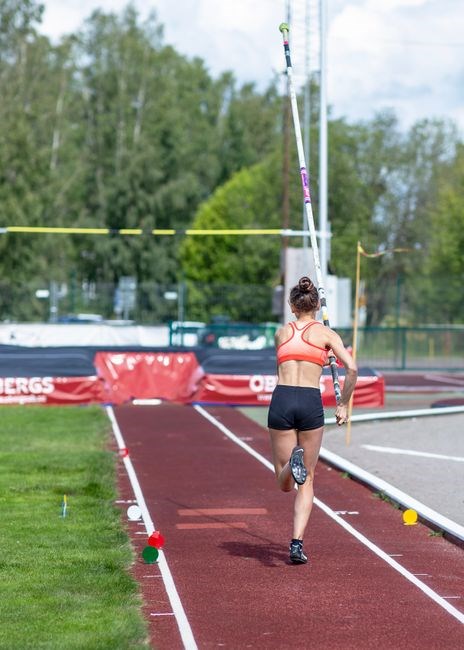
Shot putters rely on rapid force production; plyometric training enhances the stretch‑shortening cycle, improving horizontal velocity and vertical lift. A PDF module schedules three plyometric sessions per week, spaced for recovery. The first session focuses on vertical power: depth jumps, box jumps, and single‑leg bounds. The second session emphasizes horizontal explosiveness: broad jumps, lateral bounds, and medicine‑ball chest passes. The final session integrates rotational plyometrics: rotational medicine‑ball throws, rotational sled pushes, and side‑shuttle hops. Each drill is performed with maximal effort, controlled descent, and a 2‑second pause to reinforce the eccentric phase. Warm‑up protocols include dynamic hip circles, leg swings, and light jogs. Cool‑down stretches target quadriceps, hamstrings, calves, and glutes. Coaches track jump height, distance, and landing mechanics using video analysis, adjusting load and volume based on RPE and fatigue scores. Recovery strategies—ice baths, foam rolling, and active mobility—are prescribed after each plyometric block. The PDF recommends periodization: start with 30 % of body weight for medicine balls, progressing to 50 % as strength improves, and incorporating unilateral drills to correct asymmetries. By embedding these drills into a structured program, athletes develop explosive speed and vertical lift needed for elite shot‑put performance.
In practice, athletes perform 3–4 sets of each drill, resting 60–90 seconds between sets. Coaches emphasize proper technique: a deep knee bend before the jump, a quick rebound, and a controlled landing to maximize force transfer. Video feedback is essential; athletes review clips to refine foot placement and torso rotation. Consistency over weeks builds neural adaptations that translate into measurable distance gains dailyand focus.
Macrocycle Planning for Competition Peaks
In a shot‑put PDF, the macrocycle spans 12–16 weeks, aligning with national and international meets. The first 4 weeks serve as a general preparation phase, emphasizing hypertrophy, core stability, and basic technical drills. Weeks 5–8 transition to specific strength, incorporating Olympic lifts, heavy squats, and plyometric bursts. The final 4 weeks are a competition phase, reducing volume while maintaining intensity; athletes perform maximal throws, speed‑specific warm‑ups, and fine‑tuned technique sessions. Recovery blocks are scheduled every 7–10 days, featuring active mobility, contrast baths, and sleep optimization. Coaches use periodization charts in PDF format to track RPE, load, and volume, ensuring athletes peak at the right moment. The macrocycle also includes a taper week, where total training time drops 30 % to allow neuromuscular systems to recover fully. By mapping training load against competition dates, the PDF ensures athletes reach their best performance when it counts most.
During the taper week, athletes focus on technical precision and mental rehearsal. Coaches schedule short, high‑intensity throws, allowing the athlete to fine‑tune release angles while keeping fatigue low. Nutrition shifts to higher carbohydrate loading, and hydration protocols are reinforced. Recovery modalities such as cryotherapy, massage, and active stretching are intensified. The PDF also recommends a structured sleep plan, ensuring 8–9 hours of restorative sleep per night. By integrating these elements, the program guarantees that athletes arrive at competition with peak neuromuscular readiness, optimal energy stores, and a clear tactical mindset. This ensures peak performance.
Microcycle Weekly Breakdown Example
Week 1: General Strength & Technique (5 days). Day 1: Back squat 4×6 @ 70% 1RM, barbell overhead press 3×8, core circuit. Day 2: Olympic lift practice – snatch technique 4×4, medicine ball throws 3×6. Day 3: Rest or active recovery. Day 4: Push‑pull split – deadlift 3×5, bench press 3×8, plyometric box jumps 3×5. Day 5: Shot‑put drill session – glide technique 4×3, release angle work 3×4. Day 6: Mobility & flexibility routine. Day 7: Light jog + mental rehearsal.
Week 2: Power Development (5 days). Day 1: Power clean 4×3, push press 3×5, core stability. Day 2: Speed‑throw drills – 30‑m sprint, 5‑m acceleration. Day 3: Rest. Day 4: Split squat 3×6, kettlebell swings 3×10, medicine ball rotational throws 3×6. Day 5: Shot‑put technique – rotational technique 4×3, maximal throw simulation 3×2. Day 6: Recovery session – foam rolling, light swim. Day 7: Tactical visualization.
Week 3: Competition Phase (4 days). Day 1: Heavy squat 3×3, snatch pull 3×3, core. Day 2: Shot‑put max effort – 5 throws, 2‑minute rest, video review. Day 3: Rest. Day 4: Light technical session – glide practice 3×3, release rhythm 3×3. Day 5: Rest. Day 6: Mobility & stretching. Day 7: Pre‑competition mental prep.
Week 4: Taper & Peak (3 days). Day 1: Light squat 2×3, medicine ball throws 2×4, core. Day 2: Shot‑put warm‑up – 5 short throws, 2‑minute rest, final technique check. Day 3: Competition day.
The PDF also includes a 30‑minute warm‑up routine, a detailed injury prevention guide, and a weekly progress log.
Fundamental Shot Put Techniques Covered
Glide technique: foot placement, weight transfer, hip rotation, release angle, balance. Rotational technique: pivot foot, turn, hip thrust, release. Push‑throw: short stride, weight shift, arm swing. Grip: 1‑hand, 2‑hand, underhand, overhand. Release: angle, height, speed. Balance: core engagement, lower body stability. Footwork: start block, glide stride, rotational pivot. Timing: coordination of hip, shoulder, elbow. Core: rotational torque, lumbar stability. Lower body: squat, split, deadlift. Upper body: bench press, shoulder press. Plyometrics: box jumps, medicine ball throws. Recovery: foam rolling, stretching, sleep. Video analysis: frame‑by‑frame review, biomechanical markers. Strength: periodized, progressive overload. Conditioning: aerobic base, anaerobic bursts. Nutrition: protein, carbs, hydration. Recovery: active rest, massage, cryotherapy. The PDF includes drills, progressions, and performance metrics.Advanced drills include the glide‑to‑rotation transition, the “squat‑to‑release” sequence, and the “push‑to‑release” drill. Strength phases emphasize barbell complexes, Olympic lifts, and unilateral work to correct asymmetries. Plyometric sessions focus on depth jumps, medicine ball slams, and lateral bounds to enhance explosive power. Conditioning blocks integrate interval training, tempo runs, and core endurance circuits. Recovery protocols feature contrast baths, active mobility, and sleep hygiene education. Nutrition plans prioritize protein synthesis, carbohydrate loading, and micronutrient balance. The PDF offers a weekly progress tracker
Common Technical Mistakes and Corrections
In shot put, even elite athletes fall into recurring technical pitfalls that sap distance and invite injury. The most frequent errors are: 1) Over‑extension of the rear foot during the glide, which shifts the center of gravity too far backward and reduces the forward thrust. 2) A weak hip‑turn in the rotational style, producing a “flat” release that lacks the necessary angular momentum. 3) Poor balance at the release point, where the athlete’s torso leans forward, forcing the arm to compensate and shortening the effective throw arc. 4) Inconsistent grip pressure, causing the shot to slip or the wrist to over‑rotate. 5) A “push‑throw” that relies on the shoulders rather than the hips, limiting the explosive drive. 6) Inadequate footwork timing, especially the transition from the glide stride to the final push, resulting in a stuttered launch. 7) Failure to maintain a high release angle (typically 35–40°), which shortens the flight path. 8) Over‑use of the “squat‑to‑release” drill without proper progression, causing the athlete to drop the shot prematurely. 9) Ignoring the “push‑to‑release” sequence, which can create a lag between the hip thrust and the arm swing. Corrections are systematic: 1) Reinforce rear‑foot placement drills, using a marked line to keep the foot within the optimal zone. 2) Incorporate rotational drills that emphasize hip rotation before shoulder engagement, such as the “half‑turn” drill. 3) Use balance boards and single‑leg stance drills to strengthen core and lower‑body coordination at the release. 4) Practice grip consistency with weighted shot drills, focusing on a neutral wrist position. 5) Shift training emphasis from shoulder push to hip‑driven power, employing hip‑thrust complexes and glute bridges. 6) Add core circuits (planks, side‑planks, anti‑rotation holds) to build stability. 7) Time the glide stride with metronome cues to ensure a smooth transition. 8) Monitor release angle with a laser or video analysis and adjust the arm swing accordingly. 9) Progress the “squat‑to‑release” drill by adding a short hop before the throw. 10) Sequence the “push‑to‑release” drill by first performing a hip thrust, then a controlled arm swing, ensuring the two movements are linked. By addressing these mistakes with targeted drills, athletes can regain optimal mechanics, increase distance, and reduce injury risk.
Consistency turns effort into explosive result.
Recovery Protocols Included in PDFs
Recovery PDFs in shot put programs outline a comprehensive post‑session routine that balances active recovery, mobility, and targeted strength work. Athletes begin with 15–20 minutes of low‑intensity cycling or brisk walking to stimulate blood flow, followed by a 30‑minute mobility circuit focusing on thoracic rotation, hip flexor stretch, and ankle dorsiflexion drills, each held for 30 seconds. Foam‑rolling targets the quadriceps, hamstrings, and gluteus medius, spending 2–3 minutes on each muscle group. Light resistance work then follows: 3 sets of 8–10 reps of band‑resisted rows, band‑resisted hip abductions, and glute bridges at 30–40% of one‑rep max, preserving neural drive without overloading. For back‑to‑back meets, 10‑minute “active rest” period between throws—dynamic stretches and short jog—helps maintain readiness. Sleep hygiene guidelines recommend 8–9 hours of sleep, with 20‑minute pre‑sleep routine of reading or meditation to lower cortisol. Hydration is monitored via urine color checks, aiming for yellow. Weekly “deload” week reduces volume by 40% while keeping intensity moderate, allowing neuromuscular recovery. Post‑training nutrition includes shake with 20–25 grams of whey protein and 50–60 grams of carbohydrates 30 minutes to maximize glycogen replenishment protein synthesis. 5‑minute cooldown of static stretches for posterior chain and 2‑minute breathing exercise lowers heart rate. Rotator cuff strengthening—3 sets of 12 reps of rotations with light band—addresses shoulder health weekly. Regular ultrasound or MRI screenings every 12 months monitor joint integrity. Guided imagery sessions visualize successful throw, improving motor execution reducing competition anxiety. These protocols, supported by literature, can boost power performance 5%. Athletes incorporate targeted core stability drills to enhance rotational power and maintain balance during the glide and reduce injury risk.
Nutrition Guidelines for Shot Putters
Shot putters require a macro‑balanced diet that fuels explosive power, supports recovery, and maintains lean mass. A daily intake of 2,800–3,200 calories is typical for male athletes, with 30–35% from protein, 45–50% from carbohydrates, and 20–25% from healthy fats. Protein should be distributed evenly—0.3–0.4 g/kg body weight per meal—to maximize muscle protein synthesis. Sources include lean poultry, fish, eggs, dairy, legumes, and whey protein shakes. Carbohydrates are the primary energy source; complex grains, sweet potatoes, oats, and fruit provide sustained glycogen stores. Timing is critical: consume 30–60 g of carbs 30–90 min before training, and 40–60 g immediately post‑session to replenish glycogen. Healthy fats—avocado, nuts, olive oil, fatty fish—support hormone production and joint health. Micronutrients such as magnesium, potassium, calcium, and vitamin D are essential; leafy greens, nuts, dairy, and fortified foods help meet these needs. Hydration guidelines recommend 3–4 L of fluid daily, with electrolytes added during intense sessions. Pre‑competition meals should be high in carbs, low in fiber, and moderate in protein to avoid gastrointestinal discomfort. Post‑competition recovery meals should include a 3:1 carb‑to‑protein ratio within 30 min, followed by a balanced meal within 2 h. Supplements like creatine monohydrate (5 g/day) and beta‑alanine (2–3 g/day) can enhance power output when combined with a proper diet. Periodic body composition assessments guide adjustments, ensuring optimal strength‑to‑weight ratios for peak performance. Athletes should monitor micronutrient status via blood panels, adjust protein timing around training, prioritize sleep hygiene to support performance. Adherence these protocols boosts performance!